

· AFX Research
Right of First Refusal and Your Title Search
A recorded right of first refusal lets somebody else step into your buyer's shoes and take the deal. Here is where the right comes from, how a title search finds it, and why discovering one late can cost you a closing date.
Table of Contents
You have an accepted offer, an inspection behind you, and a closing date. Then the title work comes back showing a right of first refusal recorded against the property, and the person holding it can take your deal on the same terms you negotiated. It is one of the few title findings that can lose a buyer a house they thought they had bought.
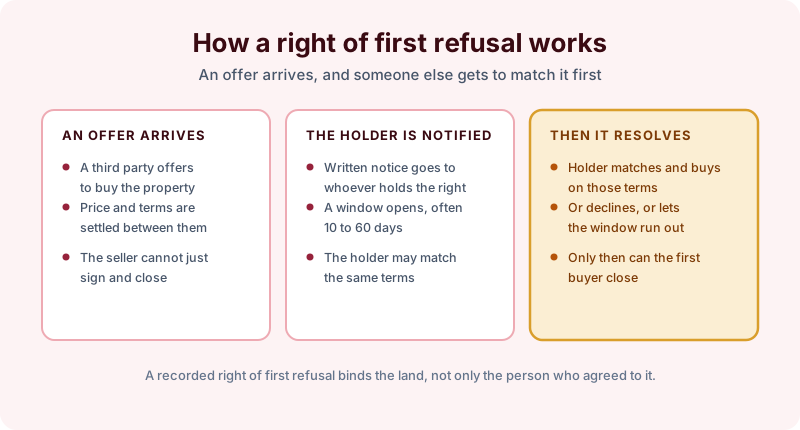
What the right actually does
A right of first refusal is not an option to buy at a set price. It is triggered by somebody else’s offer. Once the owner has a deal in hand, the holder of the right gets written notice and a window — often somewhere between ten and sixty days — to match those terms. Match it, and they buy. Decline it or let the clock run, and your purchase proceeds.
The important word is recorded. An unrecorded agreement binds the people who signed it. A recorded one is notice to the world and travels with the land, so it can bind an owner who never agreed to anything.
Where they come from
- Homeowner and condominium associations. Some declarations reserve the association a right to match, particularly in co-ops and age-restricted communities.
- Leases. A commercial or residential tenant is frequently given the first shot at buying, and the memorandum of that lease is what reaches the record.
- Family arrangements. Siblings who inherit together often sign one so that nobody sells to an outsider without the others getting a chance.
- Neighbors and adjoining owners. Common on farmland and on lots with shared access.
How the search finds it
The instrument is indexed against the property, so a records search over the parcel turns it up — either as a standalone agreement, as a clause in a recorded lease memorandum, or inside a declaration of covenants. A current owner search catches one recorded during this owner’s tenure. If it was recorded two owners ago and never released, you need a longer look back, which is one of the title problems a current owner search catches only when the timing happens to cooperate.
Read the terms rather than just noting that it exists. How long is the notice window, what counts as a triggering offer, does a transfer to a family trust set it off, and is there an expiration date? Plenty of these rights have lapsed on their own terms and are simply still sitting in the index because nobody recorded a release.
The bottom line
Find it before you are emotionally committed, not during the final week. If a right of first refusal is on the property, your contract needs to account for the notice period, and somebody has to confirm the holder has been notified and has responded. Order online and we will run the parcel and attach copies of whatever is recorded, or ask us what a search of that scope would cover before you order.