

· AFX Research
Title Search After an HOA Foreclosure Purchase
A winning bid at an association sale buys the association's position, not a clean parcel. What the sale actually wipes out, what survives it untouched, and the redemption and procedural risks that follow the buyer afterward.
Table of Contents
Association foreclosures attract bidders because the numbers look extraordinary — a condo with a market value of $240,000 sold for $9,000 in unpaid assessments. What is being sold is the association’s lien position, and in most states that position sits behind the first mortgage rather than ahead of it. The gap between those two facts is where most of the money is lost.
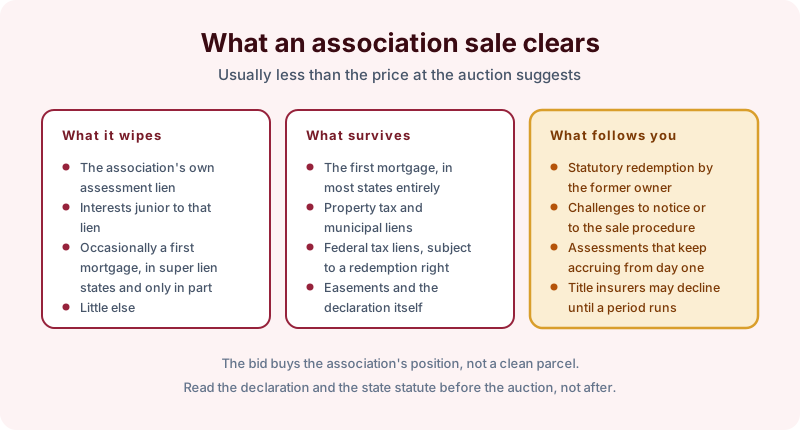
What the sale actually clears
An association foreclosure extinguishes the association’s own assessment lien and any interest junior to it. That is the whole of it in most jurisdictions.
A minority of states give association liens a limited super-lien priority over an existing first mortgage, usually capped at a set number of months of assessments. Even there, the priority is partial, and what it does to the mortgage varies enormously between states and has been litigated hard.
What survives it
The first mortgage, in most states, entirely. Property tax and municipal liens, which generally outrank everything. Federal tax liens, which survive subject to a statutory redemption right running to the government. Easements, restrictive covenants and the declaration itself, none of which a foreclosure disturbs.
So a buyer paying $9,000 may own a unit encumbered by a $190,000 mortgage that the lender can foreclose independently, wiping out the purchase. That is the same priority analysis described in lien position and your title search, arriving from an unusual direction.
What follows the buyer
Three things, and they are the reason many buyers wait before improving the property.
Statutory redemption. In a number of states the former owner may redeem within a set period by paying the sale price plus interest.
Procedural challenge. Defective notice is the most commonly litigated issue in association foreclosures, and a successful challenge unwinds the sale.
Ongoing assessments. The new owner owes them from the moment of the sale, and in some declarations may owe a share of the prior deficiency as well.
Title insurers frequently decline to insure until a redemption period has run, which is a useful market signal about the risk.
What to order and when
Run the search before the auction, not after. A full search on the unit should show the mortgage and its balance date, tax and municipal liens, federal liens, the declaration and its amendments, and the recorded assessment lien being foreclosed with its priority date.
A records search reports what has been recorded and indexed as of the day it was run. It cannot tell you whether notice was properly given, whether a redemption will be exercised, or what the association’s ledger currently shows.
The bottom line
The bid price at an association sale reflects the association’s debt, not the property’s equity, and the difference is almost always a surviving first mortgage. Compare the available searches and order online, or ask us what scope fits a specific auction list before you bid.